Spider-Islands Map Guide: Marvel Rivals Convergence Strategy
Spider-Islands is a vibrant, web-covered arena set in the heart of the Spider-Verse, where towering island platforms connected by webs and narrow bridges create a vertical, multi-lane battlefield. As a Convergence mode map, two teams clash over a central payload zone that shifts and locks across distinct capture points. Mastering the verticality and tight choke points of Spider-Islands is essential for climbing ranked play.
Overview
Spider-Islands immerses players in a chaotic, colorful collision of Spider-Man mythology, featuring neon-drenched cityscapes suspended over an endless void, laced together with massive web cables acting as pathways and flanking routes. The map is heavily vertical by design, with elevated catwalks, rooftop platforms, and web-slung bridges offering high ground advantages that can completely shift the momentum of a fight. Buildings styled after the classic New York skyline — but twisted into a fantastical island cluster — give the map both a grounded and surreal visual identity that reinforces the Spider-Verse theme.
The layout is divided into three primary zones: the attacker spawn-side approach corridor, the highly contested central convergence platform, and the defender-side final position near the opposing spawn. Each zone transitions through a bottleneck choke, meaning positional control and ultimate timing around those transitions are critical. The central platform itself is raised slightly above the surrounding terrain, giving the team holding it a natural line-of-sight advantage over approaching enemies below.
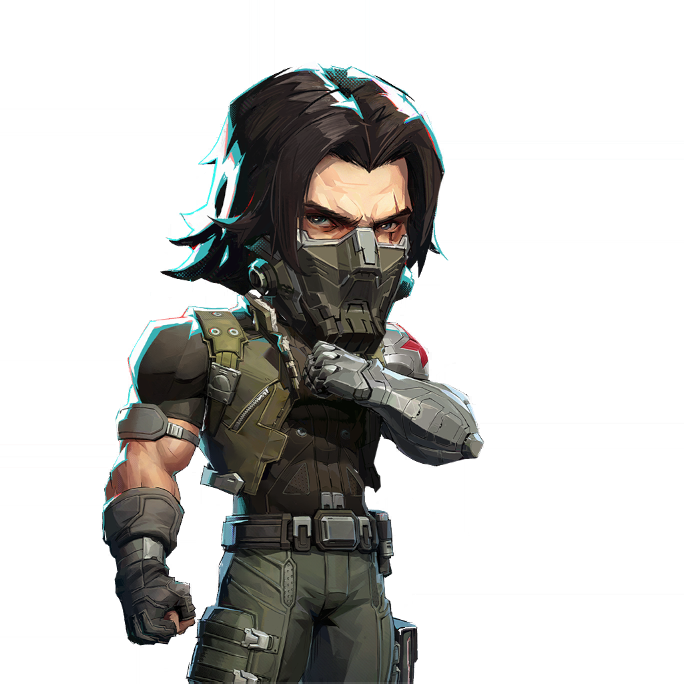
Flank routes run along the outer edges of the map through lower web-bridge pathways and through interior building corridors that cut beneath the main combat lane. These flanks are narrow enough that a single well-placed area-denial ability — such as a Spider-Man web barrage or a well-timed Winter Soldier suppression — can shut them down entirely. However, mobile heroes who excel at vertical movement can exploit these side routes to bypass the main choke and apply pressure from unexpected angles.
The map's atmosphere is further defined by environmental hazards and structural elements that funnel combat inward. Drop-offs on either side of the web bridges mean positioning errors can be fatal, and abilities that displace enemies — knockbacks, pulls, and launches — become especially powerful here. Teams that understand the geometry of Spider-Islands and respect its vertical dimension will consistently outperform those who try to play it as a flat, linear map.
⚔️ Attack Tips
As the attacking team on Spider-Islands, your primary objective is to break through the first major choke point — the web-bridge crossing just outside the attacker spawn — before the defenders can establish a fortified line. This crossing is exposed and narrow, making it a kill zone if defenders are allowed to stack heavy hitters in the center platform. Use Strategists to establish a mobile sustain line close to the crossing rather than falling back to spawn, and send one mobile Duelist along the lower web-bridge flank simultaneously to split the defender's attention. Coordinated two-pronged pressure is far more effective here than a single-lane push.
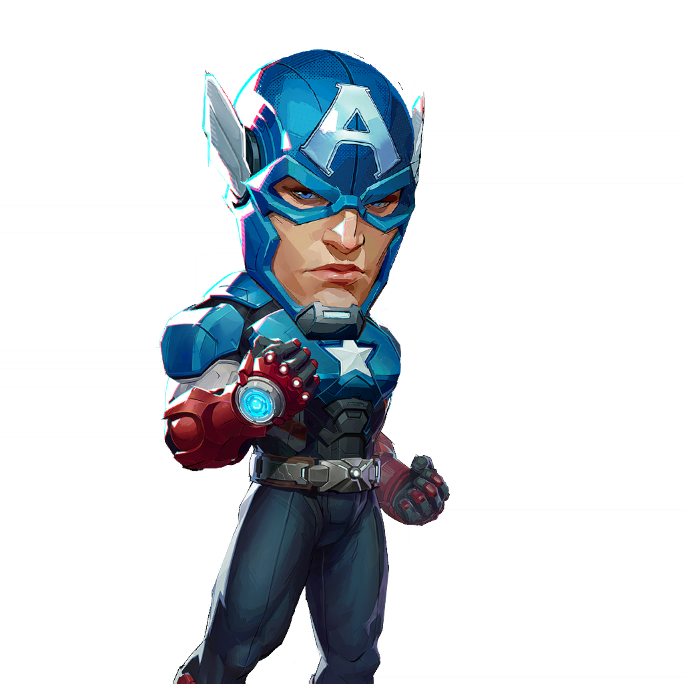
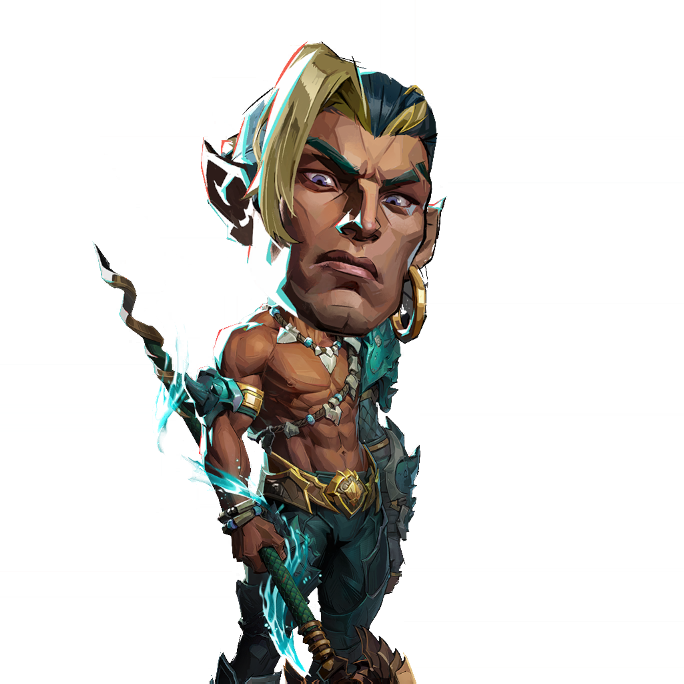
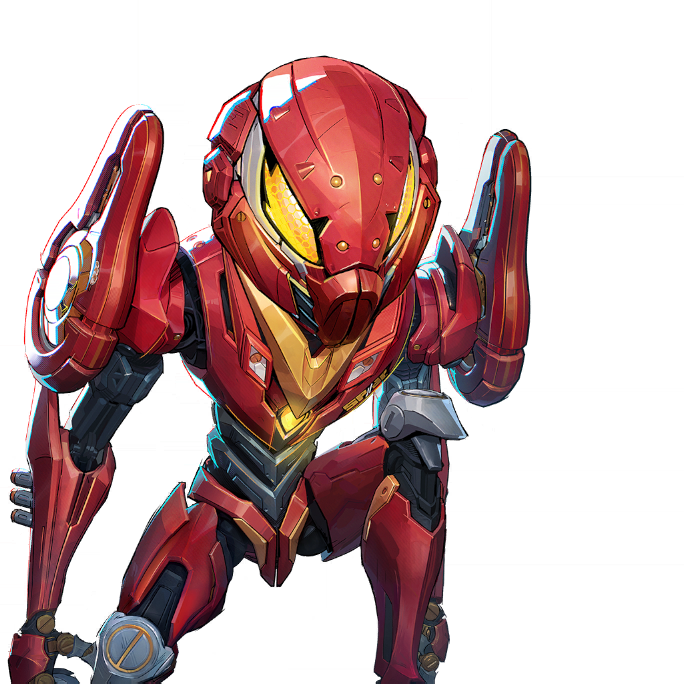
Once you've broken through the first choke and secured the initial convergence point lock, maintain forward momentum by contesting the high-ground catwalks above the central platform. Heroes like Spider-Man, Iron Fist, or Black Panther can use wall-climbing and leap abilities to immediately contest these elevated positions, denying defenders the line-of-sight advantage that the upper level provides. Do not allow the defending team to reset and re-establish a high-ground hold after you've taken the first point — use the momentum window aggressively and push before ultimates recharge.
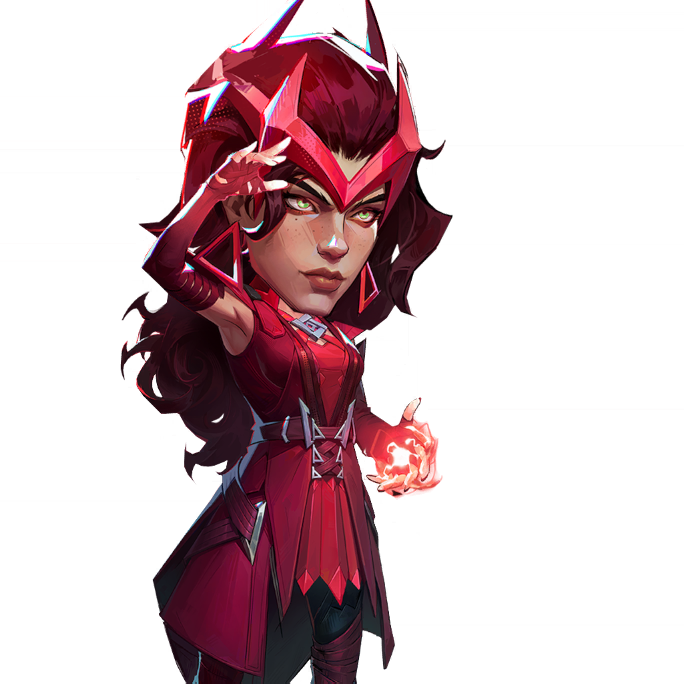
For the final push into the defender-side capture zone, be mindful that defenders will often rotate through interior building corridors to reinforce their last position quickly. Assign a flanker to monitor and contest these rotation paths, cutting off reinforcements while your main squad advances on the payload zone. Ultimate abilities with large area denial — such as Scarlet Witch's Chaos Zone or Magneto's Metal Curtain — are best saved for this final stage to prevent the inevitable last-stand defensive cooldown dump that defenders will attempt to hold the final convergence lock.
🛡️ Defense Tips
Defenders on Spider-Islands have a natural advantage in the first phase due to the chokepoint nature of the web-bridge crossing from attacker spawn. Stack your Vanguard at the near edge of the central platform and position at least one Duelist on the elevated catwalk directly above the crossing to establish a crossfire. This two-level defensive formation is extremely difficult for attackers to push through without burning multiple ultimates, and it forces them to commit resources before they've reached the first lock point. Prioritize holding this position for as long as possible — every second spent here is time off the attacker's clock.
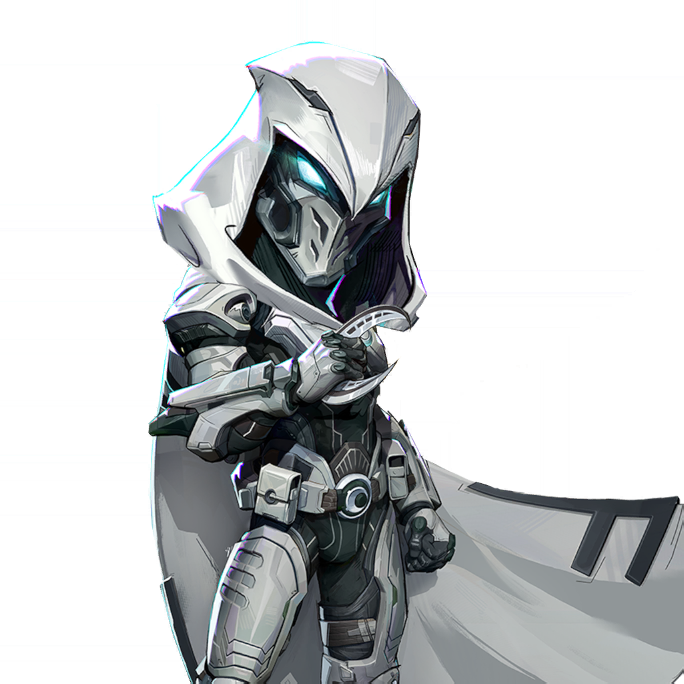
If the attackers successfully breach the first choke and begin contesting the central convergence point, do not panic-retreat to the final position. Instead, use the interior building corridors to rotate and attempt a flank counter on the attacking team's Strategists, who will typically be positioned slightly behind the main push near the first crossing. Disrupting the sustain line mid-push can cause a full team collapse even if the attackers appear to have positional control. Heroes like Winter Soldier, Hawkeye, or Psylocke excel at these counter-rotation strikes due to their mobility and burst damage.
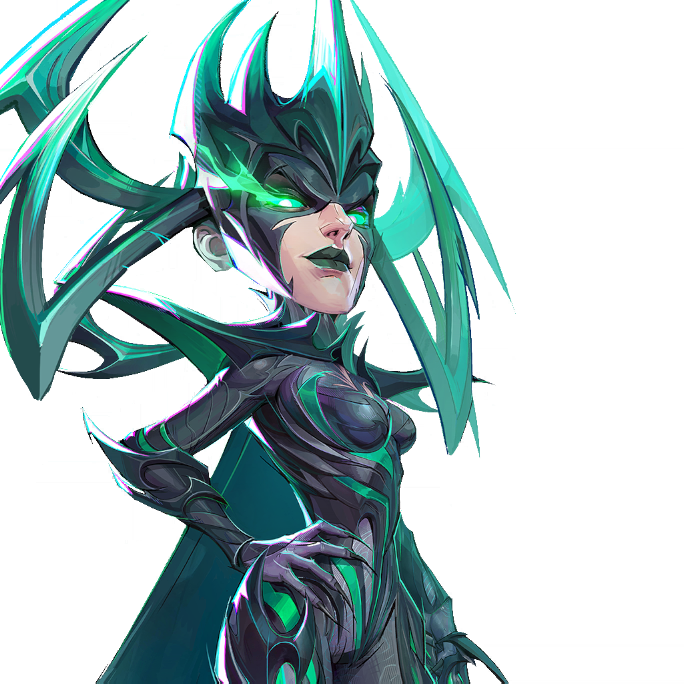
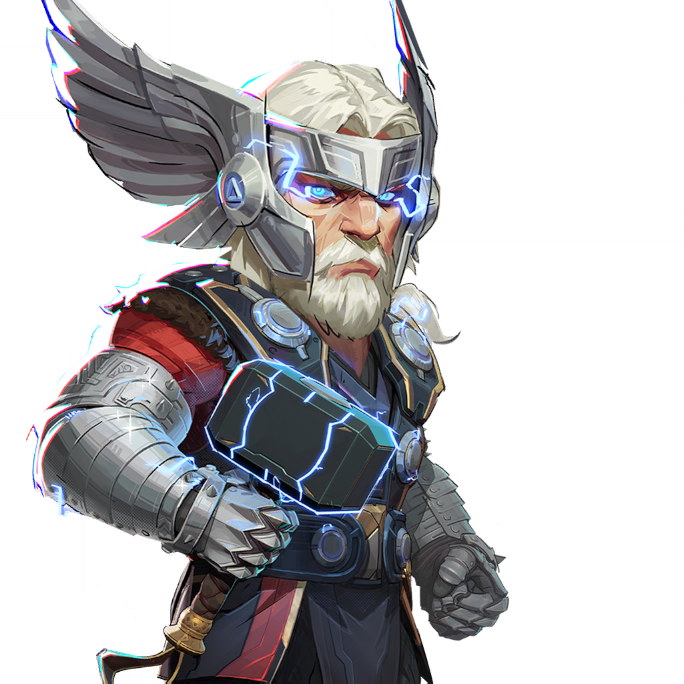
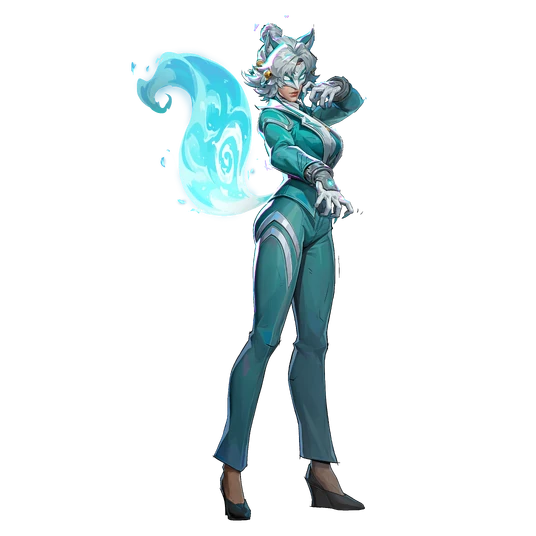
At the final defensive position near the defender spawn, use the elevated back platform and doorway choke as your last anchor point. This area offers significant cover and a height advantage that makes healing and ability maintenance considerably easier. Place your most impactful area-denial ultimates — Hela's Goddess of Death, Luna Snow's Fate of Both Worlds, or Doctor Strange's Maelstrom of Madness — centrally in the payload zone rather than at its edges, maximizing coverage. Remember that displacement abilities such as Thor's Awakening or Hulk's Thunderclap are especially deadly here given the nearby drop-offs on the flank bridges, so position defenders away from ledge edges to avoid self-inflicted eliminations from pushback.